


Wedding Traditions In Your Wedding Planning

Our world consists of many cultures and traditions
We live in a large world, full of traditions and varying religions. People come from all different countries and all walks of life. We are all raised in different ways and taught different traditions from religion to personal values. When two people fall in love and commit to each other marriage is often the next step, but with so many wedding traditions the planning can quickly become a battle of wills when it comes to deciding on the planning of the wedding ceremony and reception. By combining cultures from both the bride and groom into one joint tradition the bridal party can easily come to agreement and learn more about each others way of life.

Meet in the middle and become one
Your own culture (and even religion) may be the complete opposite of your future spouse, but opposites attract and combining traditions can make a very unique wedding ceremony or reception come together quite nicely, in a very unique way that is sure to impress any guest at your event. Learn as much as you can about her or about him. Many learn different traditions for wedding preparation from rituals related to the engagement itself to the way the ceremony should be conducted, and lets not forget the celebration after the ceremony, the reception. Although two may be deeply in love and maybe not even care about whose traditional values are incorporated into all of this, the families of the bride and the groom will surely disagree (there’s always at least one from each side) and this is where the future newlyweds love will be tested.

Mix and match traditions to keep each other satisfied
Wedding Tip #1: Before talking to your family about how your wedding will be planned discuss your traditions with each other. If your family tradition calls for a very elaborate ceremony consider scaling some parts down so your future spouse can incorporate parts of their own traditional values. Try to learn as much about the other person’s traditional wedding planning and if they don’t know much about it ask them about weddings they have attended in the past, such as what was done or what they noticed that they liked a lot. Your relatives, and theirs, are sure to ask you questions in the future about what you will be doing, so be prepared and learn about it now. You never want to give your future in-laws a bad impression before the ceremony even happens.

Without compromise some weddings can fall apart quickly
Wedding Tip #2 – Be ready to compromise. Quite often bridal planning involves creating a beautiful wedding ceremony where the bride or grooms culture is greatly reflected, and the reception afterward shows good faith to the other. For example, some brides use their tradition for the wedding ceremony itself and the grooms traditions are used for the reception, creating equality and satisfaction for those difficult in-laws who want it their way. If you do it this way, be sure to include explanation of what’s to come in your wedding program so guests understand what is to come, and in some cases what the guests should be prepared to do in case there is some interactivity involved.
Two wedding ceremonies in one day?
Wedding Tip #3 – Some bridal gatherings actually include two ceremonies.
Varying traditions can’t always be combined into one ceremony because both sides of traditions are just too far apart, or the families of both sides are known in advance to never agree on how things should be done. Although this can become costly rather quickly, and involve a lot more work and time on your part, the memories of both sides will surely last a lifetime. A simple example of this type of wedding planning would be the color of the bride’s dress. In this case a combination ceremony may never work. For example, one side may require the bridal dress to be red where the other only accepts white or ivory. Often today families accept anything the bride decides on but there are those who demand it be under their own values and traditions. If that’s the case with your wedding you may want to consider the additional ceremony at a later time (usually the same day though!) and then combine the reception traditions into one after both ceremonies are complete.
 Wedding Tip #4 – Problems solved when it comes to who can pronounce you husband and wife. If each others traditions are close enough to combine except for the actual words that are said during the ceremony, or who is performing it, you might want to include officiating ministers in one ceremony. In this case, each performs their own part of the ceremony which brings satisfaction to each side. In addition, it makes the wedding unique and guests from both sides have a beautiful education experience to talk about during the dinner afterward.
Want to learn more about a some completely opposite popular traditions right now? Here are a few popular bits and pieces of marriage traditions from around the world that will help satisfy your curiosity.
Marriage with an African-American tradition
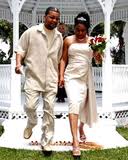 If you’re not familiar with Africa or traditions that come from there just remember this: The most practiced tradition is to “jump the broom” following the wedding ceremony. What’s the point of that you wonder? This jumping of the broom is a sign of crossing over the threshold into a new life where two have become one.
Marriage with that Scottish Flair
Although you may think Scotland is similar to other weddings you’ll quickly discover how different they do it. In a Scottish wedding ceremony there are no singers or recorded music. There’s no piano or brass instruments, and there’s no traditional organ playing “Here comes the bride”. Instead, the sound of bagpipes fill the air with maximum volume as a tribute to the bride and groom.
England, The land of the Queen
 Why not bring your new marriage a boost of luck with some English wedding tradition. The bride places a sixpence coin in one shoe just before walking down the aisle to meet the groom, bringing luck and prosperity to their new life in marriage.
Moving over to Germany now, or should I say Deutscheland?
 In German culture, men wear an engagement ring too. Their ring is always a plain gold band but all the woman know they are engaged to another to be married.
Throughout life, traditions are a direct connection to our past. By bringing together different traditions from both the bride and groom into your wedding offers a very unique and beautiful wedding ceremony that everyone will surely cherish for a lifetime.
 Learning to compromise now is also important, because keeping a good marriage together and making your new spouse happy will involve many compromises that you will need to both make. If you can’t do it now you may have unforeseen problems in the future. Compromise is an enormous part of every marriage and makes it last.
 Wedding Tips & Bridal Trends